CVE-2024-24808: Pyload ng PyLoad Open Redirect Vulnerability Due Vulnerability
MODERATECVE-2024-24808 is a MODERATE (CVSS 6.1) pyload open redirect vulnerability due vulnerability (CWE-601: URL Redirection to Untrusted Site ('Open Redirect')) affecting Pyload ng libraries in the PyPI ecosystem. The issue involves pyload open redirect vulnerability due to improper validation of the is_safe_url function. Remediation is available by upgrading affected packages to version 0.5.0b3.dev79.
CVE-2024-24808 at a Glance
Security Impact
CVSS: 6.1
The security impact metrics below are parsed directly from the CVSS v3.1 vector string (CVSS:3.1/AV:N/AC:L/PR:N/UI:R/S:C/C:L/I:L/A:N).
How to Fix CVE-2024-24808
To remediate this vulnerability, upgrade all affected Pyload ng dependencies to a patched release. Both direct and transitive dependencies should be checked, as frameworks or security libraries may pull in vulnerable versions transitively.
pip install pyload-ng>=0.5.0b3.dev79Run the following command in your project directory to verify that all resolved dependencies use the patched release:
pip show pyload-ngHow to Check if You Are Affected
To determine whether your Python environment is affected by CVE-2024-24808, inspect your installed packages using pip:
pip show pyload-ngAnalyze the terminal output to locate any version of Pyload ng in your dependency tree. If any resolved version matches the vulnerable ranges listed in the table below (for example, versions earlier than 0.5.0b3.dev79), your application is affected.
Note: The pip show pyload-ng command checks currently installed packages in your active Python environment.
Technical Details
Vulnerability Mechanism & Technical Analysis
This vulnerability is classified under CWE-601: URL Redirection to Untrusted Site ('Open Redirect'), where the web application accepts a user-controlled input that specifies a link to an external site, and uses that link in a redirect. In Pyload ng, software state validation or input boundaries are circumvented during processing. Review the official source advisory statement below for specific affected components, classes, and reproduction details.
Source Advisory Statement
CVE-2024-24808 Affected Pyload ng Versions
1 component(s)| Product / Package | Ecosystem | Affected Versions | Fixed Version |
|---|---|---|---|
|
pyload-ng
|
PyPI |
< 0.5.0b3.dev79
|
0.5.0b3.dev79
|
References
Frequently Asked Questions
What is CVE-2024-24808?
Which Pyload ng versions are affected?
What version fixes CVE-2024-24808?
Is pyload-ng affected?
What is the CVSS score of CVE-2024-24808?
What CWE is associated with CVE-2024-24808?
How can I check PyPI dependencies for CVE-2024-24808?
Machine-readable OSV JSON
OSV v1.5 Schema
{
"schema_version" : "1.4.0",
"id" : "GHSA-g3cm-qg2v-2hj5",
"modified" : "2024-02-14T14:51:14Z",
"published" : "2024-02-05T23:23:22Z",
"aliases" : [ "CVE-2024-24808" ],
"summary" : "pyLoad open redirect vulnerability due to improper validation of the is_safe_url function",
"details" : "### Summary\nOpen redirect vulnerability due to incorrect validation of input values when redirecting users after login.\n\n### Details\npyload is validating URLs via the `get_redirect_url` function when redirecting users at login.\n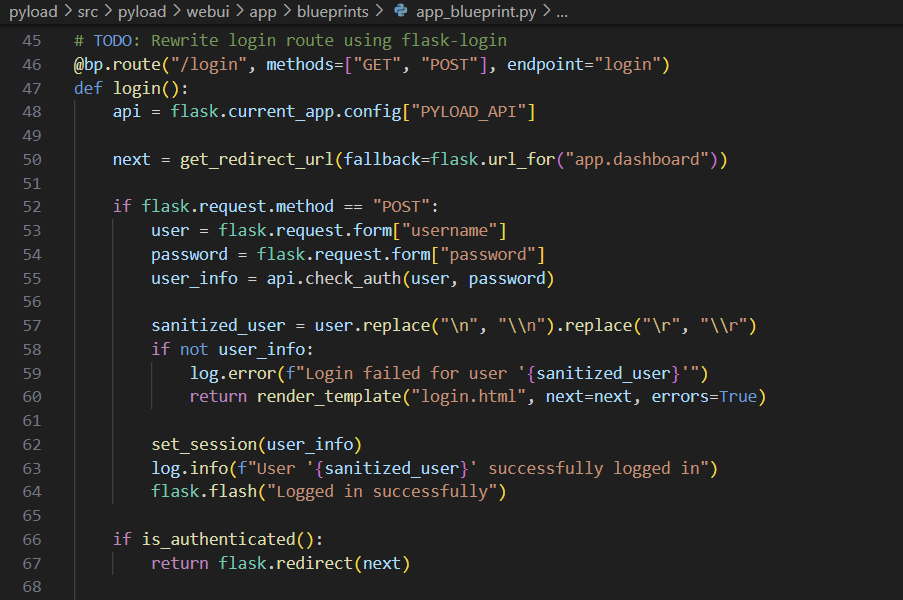\n\n\nThe URL entered in the `next` variable goes through the `is_safe_url` function, where a lack of validation can redirect the user to an arbitrary domain.\n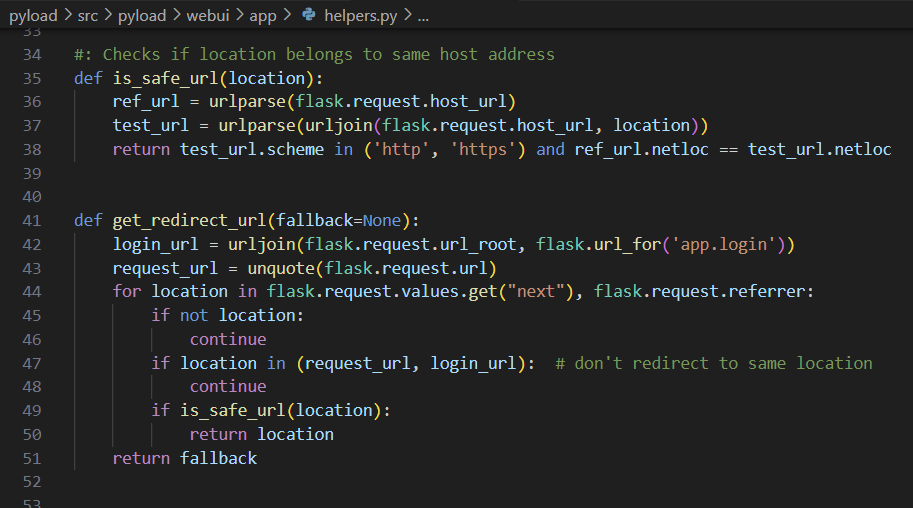\n\n\nThe documentation in the urllib library shows that improper URLs are recognized as relative paths when using the `urlparse` function. (https://docs.python.org/3/library/urllib.parse.html#urllib.parse.urlparse)\n\nFor example, When an unusual URL like `https:///example.com` is entered, `urlparse` interprets it as a relative path, but in the actual request it is converted to `https://example.com` due to url normalization.\n\n### PoC\n1. In the next variable, insert the URL to which you want to redirect the user.\n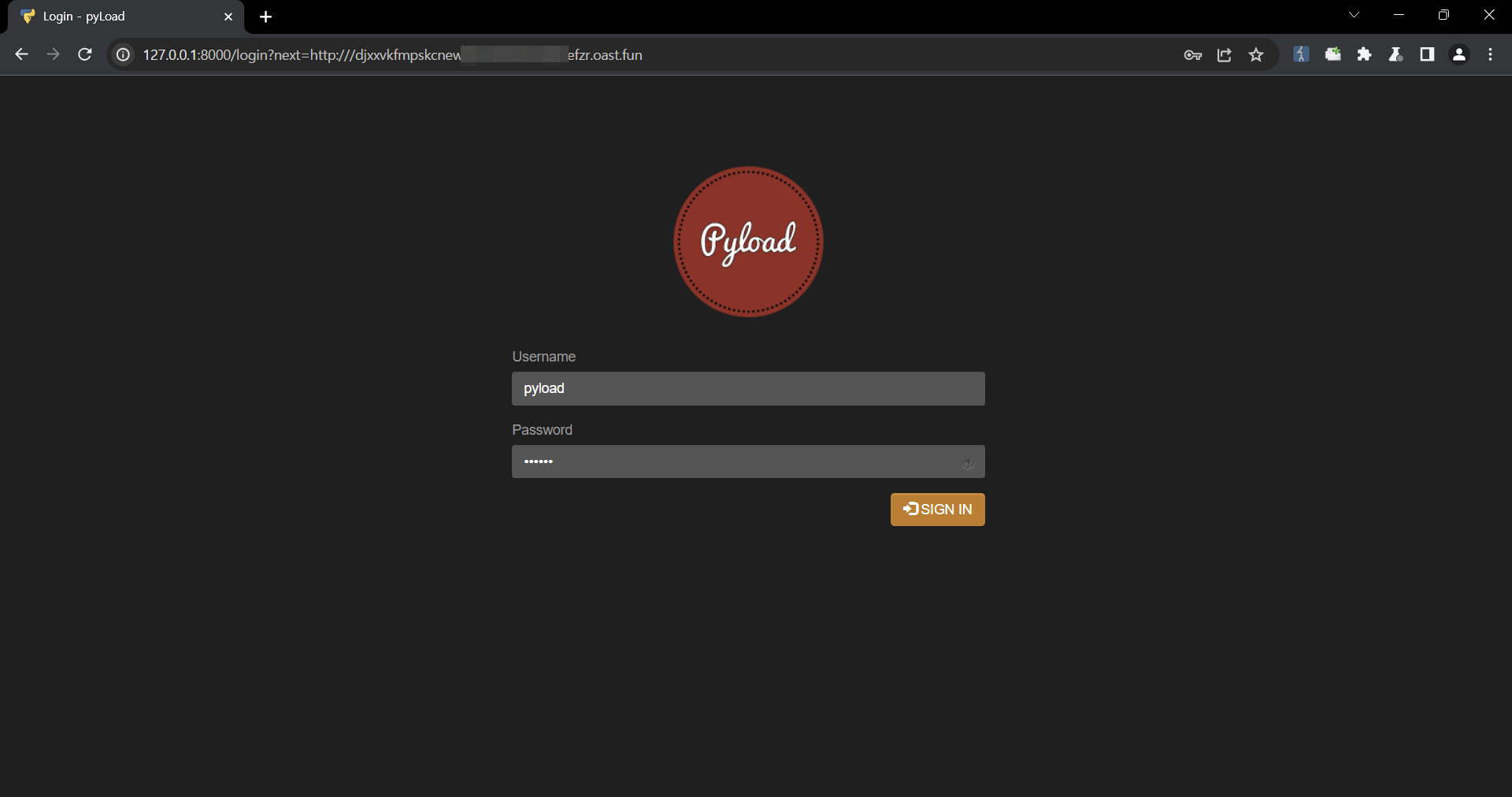\n\n\n\n2. Check that it is possible to bypass url validation and redirect users to an arbitrary url.\n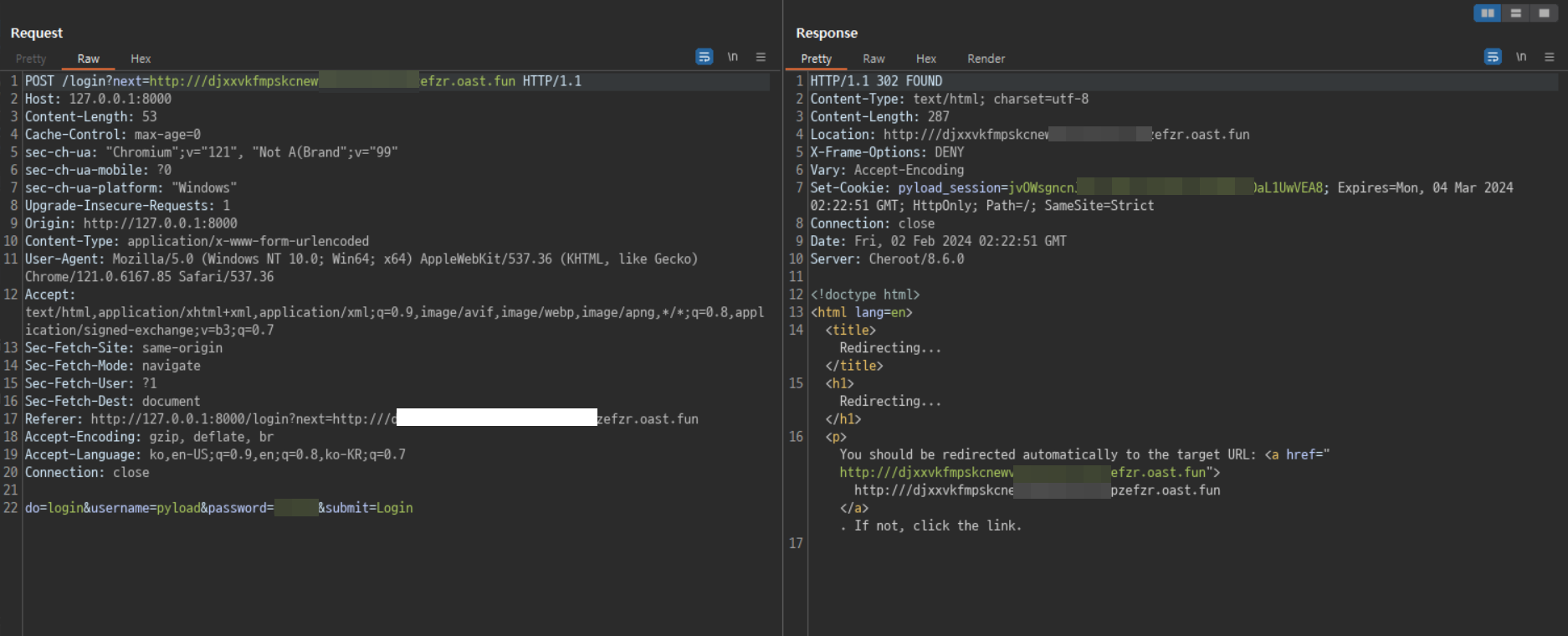\n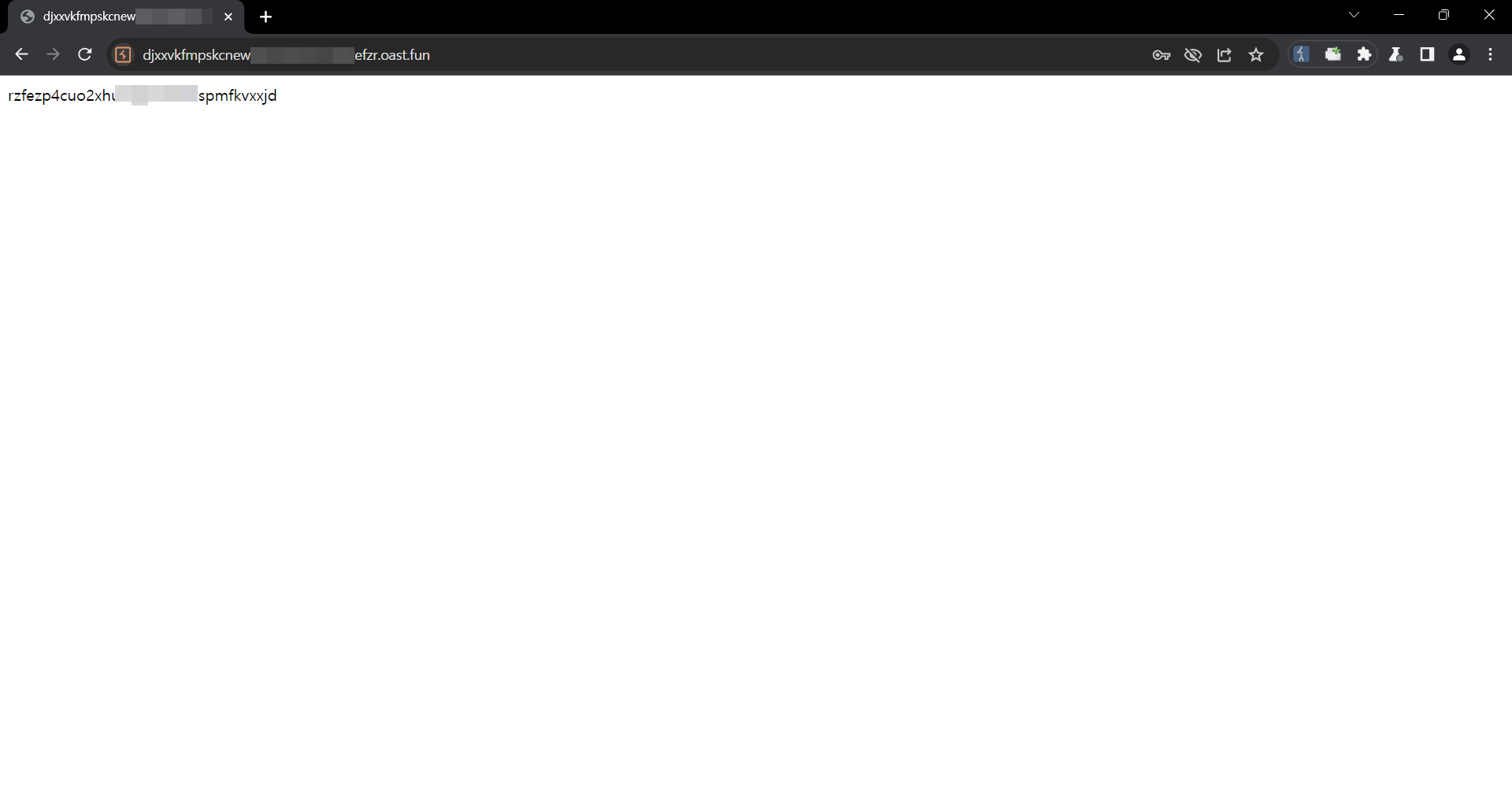\n\n\n\n### Impact\nAn attacker can use this vulnerability to redirect users to malicious websites, which can be used for phishing and similar attacks.\n",
"severity" : [ {
"type" : "CVSS_V3",
"score" : "CVSS:3.1/AV:N/AC:L/PR:N/UI:R/S:C/C:L/I:L/A:N"
} ],
"affected" : [ {
"package" : {
"ecosystem" : "PyPI",
"name" : "pyload-ng"
},
"ranges" : [ {
"type" : "ECOSYSTEM",
"events" : [ {
"introduced" : "0"
}, {
"fixed" : "0.5.0b3.dev79"
} ]
} ]
} ],
"references" : [ {
"type" : "WEB",
"url" : "https://github.com/pyload/pyload/security/advisories/GHSA-g3cm-qg2v-2hj5"
}, {
"type" : "ADVISORY",
"url" : "https://nvd.nist.gov/vuln/detail/CVE-2024-24808"
}, {
"type" : "WEB",
"url" : "https://github.com/pyload/pyload/commit/fe94451dcc2be90b3889e2fd9d07b483c8a6dccd"
}, {
"type" : "PACKAGE",
"url" : "https://github.com/pyload/pyload"
} ],
"database_specific" : {
"cwe_ids" : [ "CWE-601" ],
"severity" : "MODERATE",
"github_reviewed" : true,
"github_reviewed_at" : "2024-02-05T23:23:22Z",
"nvd_published_at" : "2024-02-06T04:15:08Z"
}
}