CVE-2024-32880: Pyload ng Remote Code Execution Vulnerability
CRITICALCVE-2024-32880 is a CRITICAL (CVSS 9.1) remote code execution vulnerability (CWE-434: Unrestricted Upload of File with Dangerous Type) affecting Pyload ng libraries in the PyPI ecosystem. The issue involves pyload allows upload to arbitrary folder lead to rce. Remediation is available in the latest vendor maintenance releases.
CVE-2024-32880 at a Glance
Security Impact
CVSS: 9.1
The security impact metrics below are parsed directly from the CVSS v3.1 vector string (CVSS:3.1/AV:N/AC:L/PR:H/UI:N/S:C/C:H/I:H/A:H).
How to Fix CVE-2024-32880
To remediate this vulnerability, upgrade all affected Pyload ng dependencies to a patched release. Both direct and transitive dependencies should be checked, as frameworks or security libraries may pull in vulnerable versions transitively.
pip install pyload-ng>=Latest secure releaseRun the following command in your project directory to verify that all resolved dependencies use the patched release:
pip show pyload-ngHow to Check if You Are Affected
To determine whether your Python environment is affected by CVE-2024-32880, inspect your installed packages using pip:
pip show pyload-ngAnalyze the terminal output to locate any version of Pyload ng in your dependency tree. If any resolved version matches the vulnerable ranges listed in the table below (for example, versions earlier than the patched release), your application is affected.
Note: The pip show pyload-ng command checks currently installed packages in your active Python environment.
Technical Details
Vulnerability Mechanism & Technical Analysis
This vulnerability is classified under CWE-434: Unrestricted Upload of File with Dangerous Type, where the product allows the upload or transfer of dangerous file types that are automatically processed within its environment. In Pyload ng, software state validation or input boundaries are circumvented during processing. Review the official source advisory statement below for specific affected components, classes, and reproduction details.
Source Advisory Statement
CVE-2024-32880 Affected Pyload ng Versions
1 component(s)| Product / Package | Ecosystem | Affected Versions | Fixed Version |
|---|---|---|---|
|
pyload-ng
|
PyPI |
≤ 0.5.0
|
|
References
Frequently Asked Questions
What is CVE-2024-32880?
Which Pyload ng versions are affected?
What version fixes CVE-2024-32880?
Is pyload-ng affected?
What is the CVSS score of CVE-2024-32880?
What CWE is associated with CVE-2024-32880?
How can I check PyPI dependencies for CVE-2024-32880?
Machine-readable OSV JSON
OSV v1.5 Schema
{
"schema_version" : "1.4.0",
"id" : "GHSA-3f7w-p8vr-4v5f",
"modified" : "2024-04-26T18:51:15Z",
"published" : "2024-04-24T21:16:59Z",
"aliases" : [ "CVE-2024-32880" ],
"summary" : "pyLoad allows upload to arbitrary folder lead to RCE",
"details" : "### Summary\nAn authenticated user can change the download folder and upload a crafted template to the specified folder lead to remote code execution\n\n### Details\nexample version: 0.5\nfile:src/pyload/webui/app/blueprints/app_blueprint.py\n```python\n@bp.route(\"/render/<path:filename>\", endpoint=\"render\")\ndef render(filename):\n mimetype = mimetypes.guess_type(filename)[0] or \"text/html\"\n data = render_template(filename)\n return flask.Response(data, mimetype=mimetype)\n```\nSo, if we can control file in the path \"pyload/webui/app/templates\" in latest version and path in \"module/web/media/js\"(the difference is the older version0.4.20 only renders file with extension name \".js\"), the render_template func will works like SSTI(server-side template injection) when render the evil file we control.\n\nin /settings page and the choose option general/general, where we can change the download folder. \n\n\nAlso, we can find the pyLoad install folder in /info page\n\nSo, we can change the value of Download folder to the template path. Then through /json/add_package we can upload a crafted template file to RCE.\n```python\n@bp.route(\"/json/add_package\", methods=[\"POST\"], endpoint=\"add_package\")\n# @apiver_check\n@login_required(\"ADD\")\ndef add_package():\n api = flask.current_app.config[\"PYLOAD_API\"]\n\n package_name = flask.request.form.get(\"add_name\", \"New Package\").strip()\n queue = int(flask.request.form[\"add_dest\"])\n links = [l.strip() for l in flask.request.form[\"add_links\"].splitlines()]\n pw = flask.request.form.get(\"add_password\", \"\").strip(\"\\n\\r\")\n\n try:\n file = flask.request.files[\"add_file\"]\n\n if file.filename:\n if not package_name or package_name == \"New Package\":\n package_name = file.filename\n\n file_path = os.path.join(\n api.get_config_value(\"general\", \"storage_folder\"), \"tmp_\" + file.filename\n )\n file.save(file_path)\n links.insert(0, file_path)\n\n except Exception:\n pass\n\n urls = [url for url in links if url.strip()]\n pack = api.add_package(package_name, urls, queue)\n if pw:\n data = {\"password\": pw}\n api.set_package_data(pack, data)\n\n return jsonify(True)\n```\n### PoC\nFirst login into the admin page, then visit the info page to get the path of pyload installation folder.\nSecond, change the download folder to PYLOAD_INSTALL_DIR/ webui/app/templates/\nThird, upload crafted template file through /json/add_package through parameter add_file\nthe content of crafted template file and its filename is \"341.html\":\n```\n{{x.__init__.__globals__['__builtins__']['eval'](\"__import__('os').popen('whoami').read()\")}}\n```\n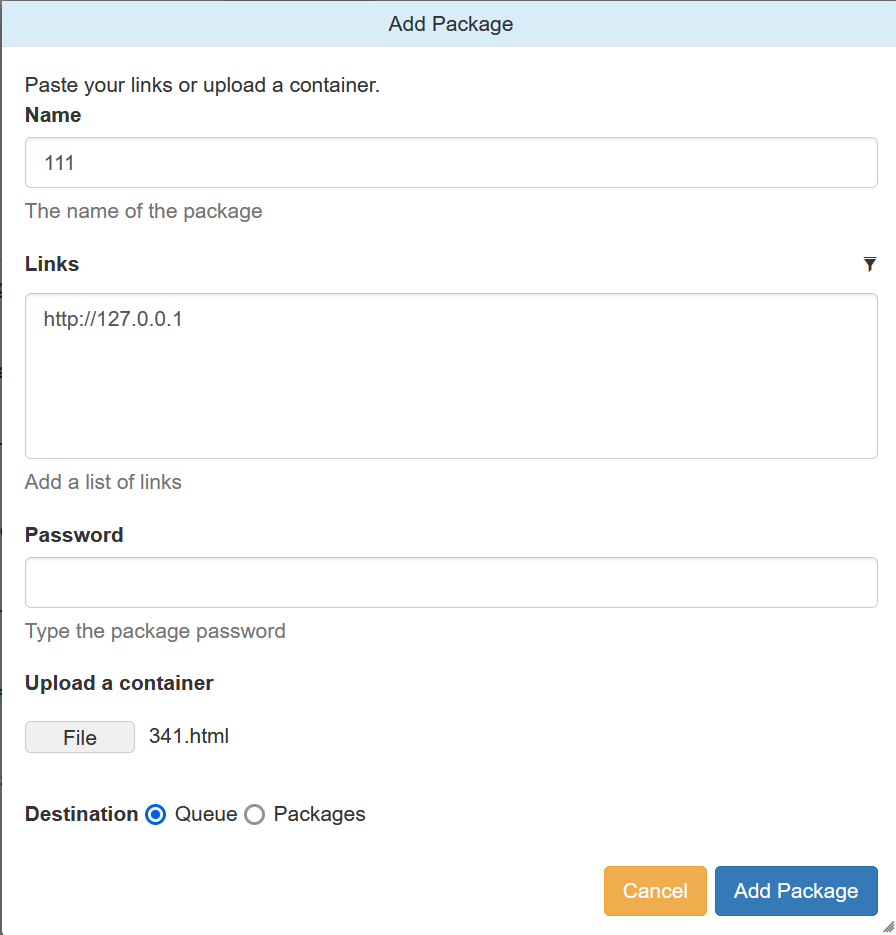\nLast, visit http://TARGET/render/tmp_341.html to trigger the RCE\n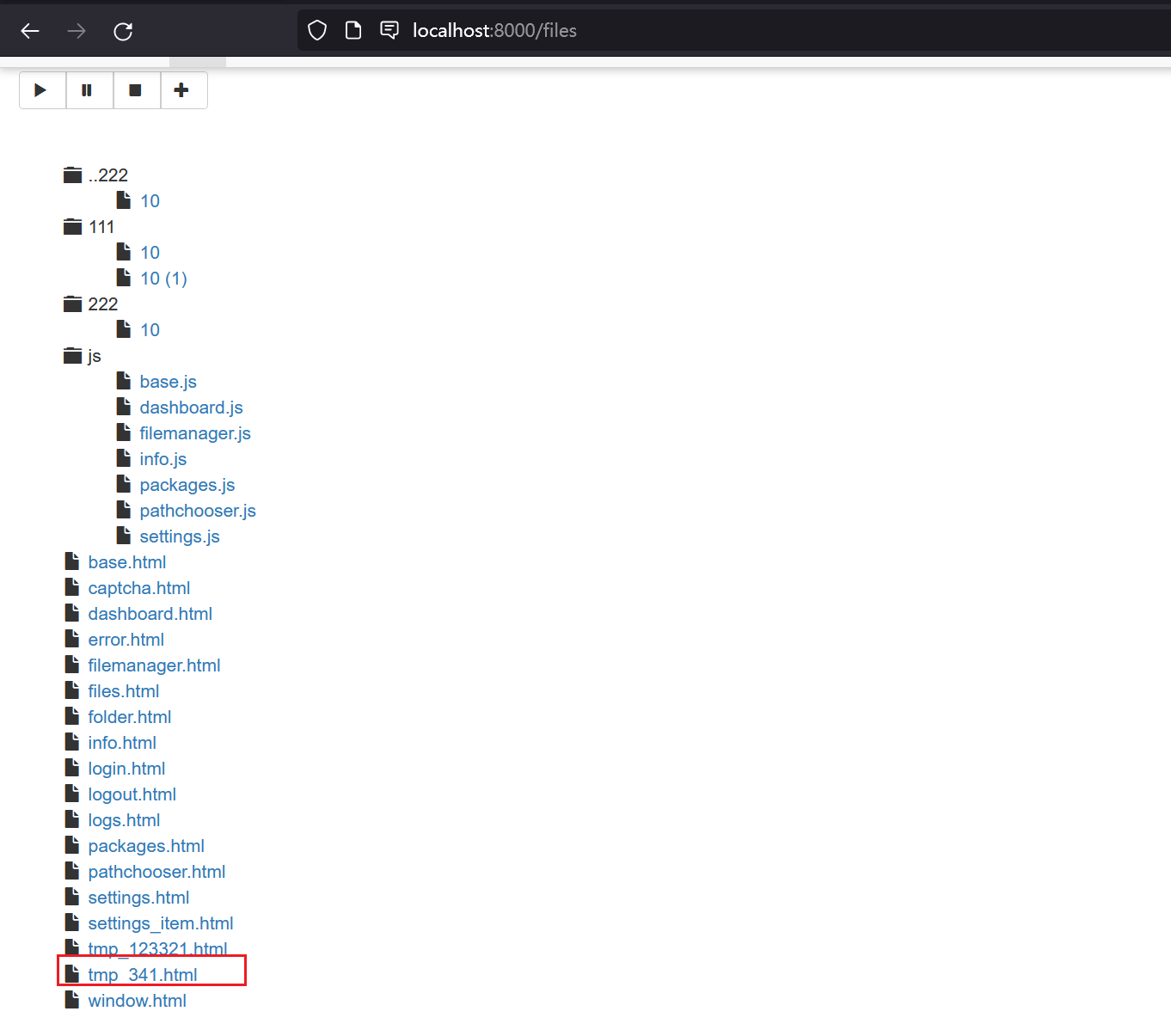\n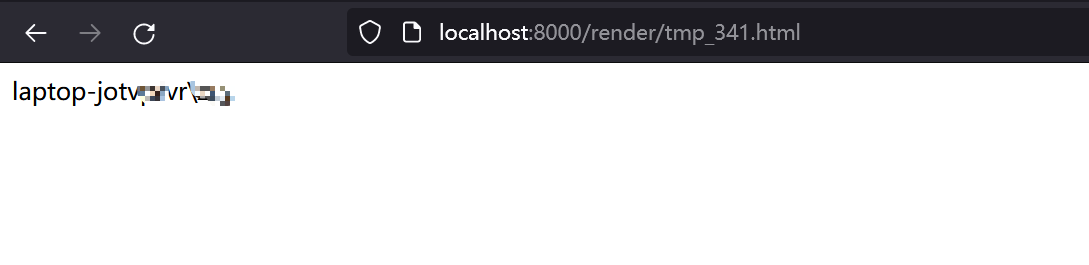\n\n### Impact\nIt is a RCE vulnerability and I think it affects all versions. In earlier version 0.4.20, the trigger difference is the pyload installation folder path difference and the upload file must with extension \".js\" .\nThe render js code in version 0.4.20:\n```python\n@route(\"/media/js/<path:re:.+\\.js>\")\ndef js_dynamic(path):\n response.headers['Expires'] = time.strftime(\"%a, %d %b %Y %H:%M:%S GMT\",\n time.gmtime(time.time() + 60 * 60 * 24 * 2))\n response.headers['Cache-control'] = \"public\"\n response.headers['Content-Type'] = \"text/javascript; charset=UTF-8\"\n\n try:\n # static files are not rendered\n if \"static\" not in path and \"mootools\" not in path:\n t = env.get_template(\"js/%s\" % path)\n return t.render()\n else:\n return static_file(path, root=join(PROJECT_DIR, \"media\", \"js\"))\n except:\n return HTTPError(404, \"Not Found\")\n```",
"severity" : [ {
"type" : "CVSS_V3",
"score" : "CVSS:3.1/AV:N/AC:L/PR:H/UI:N/S:C/C:H/I:H/A:H"
} ],
"affected" : [ {
"package" : {
"ecosystem" : "PyPI",
"name" : "pyload-ng"
},
"ranges" : [ {
"type" : "ECOSYSTEM",
"events" : [ {
"introduced" : "0"
}, {
"last_affected" : "0.5.0"
} ]
} ]
} ],
"references" : [ {
"type" : "WEB",
"url" : "https://github.com/pyload/pyload/security/advisories/GHSA-3f7w-p8vr-4v5f"
}, {
"type" : "ADVISORY",
"url" : "https://nvd.nist.gov/vuln/detail/CVE-2024-32880"
}, {
"type" : "PACKAGE",
"url" : "https://github.com/pyload/pyload"
} ],
"database_specific" : {
"cwe_ids" : [ "CWE-434" ],
"severity" : "CRITICAL",
"github_reviewed" : true,
"github_reviewed_at" : "2024-04-24T21:16:59Z",
"nvd_published_at" : "2024-04-26T18:15:45Z"
}
}